The History of Bakhoor and Its Burners
Origins: Incense in Ancient Civilizations
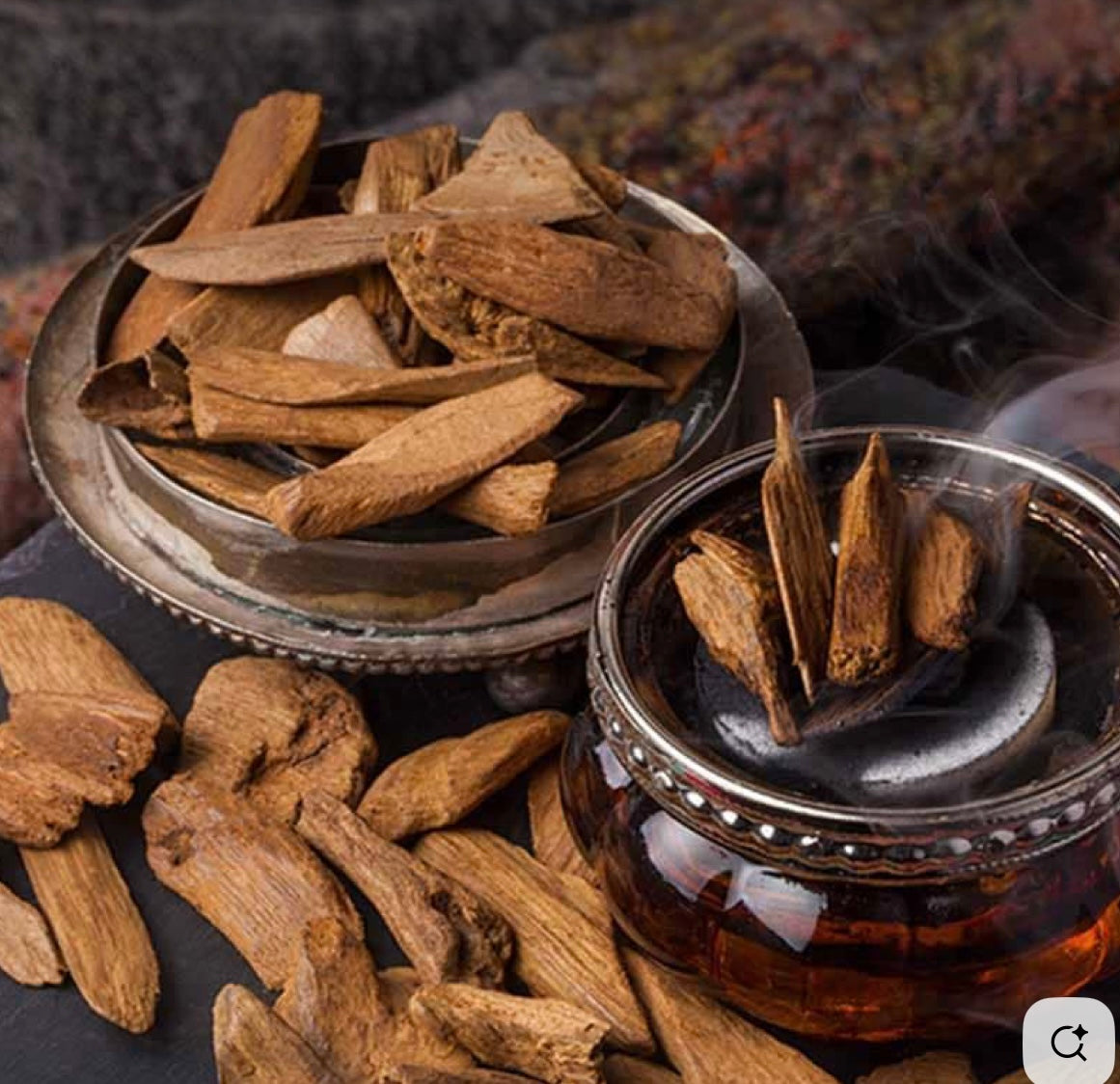
Bakhoor traces its roots to the Arabian Peninsula, South Asia, and East Africa, regions where incense trade routes were already active more than 2,000 years ago. Fragrant wood chips—often infused with precious oils such as oud, musk, or amber—were burned to purify the air, scent clothing, and accompany religious, social, and medicinal rituals.
In royal courts and private homes, bakhoor became a symbol of hospitality and refinement, offered to guests as a sign of respect and prestige.
The Evolution of Traditional Burners
Originally, bakhoor was burned in large mabkhara (traditional incense burners), often crafted from ceramic, copper, or brass. Hot charcoal was placed inside, and the scented wood chips were set on top. Sometimes richly decorated, these burners were an integral part of cultural and family heritage.
Over time, lifestyles evolved:
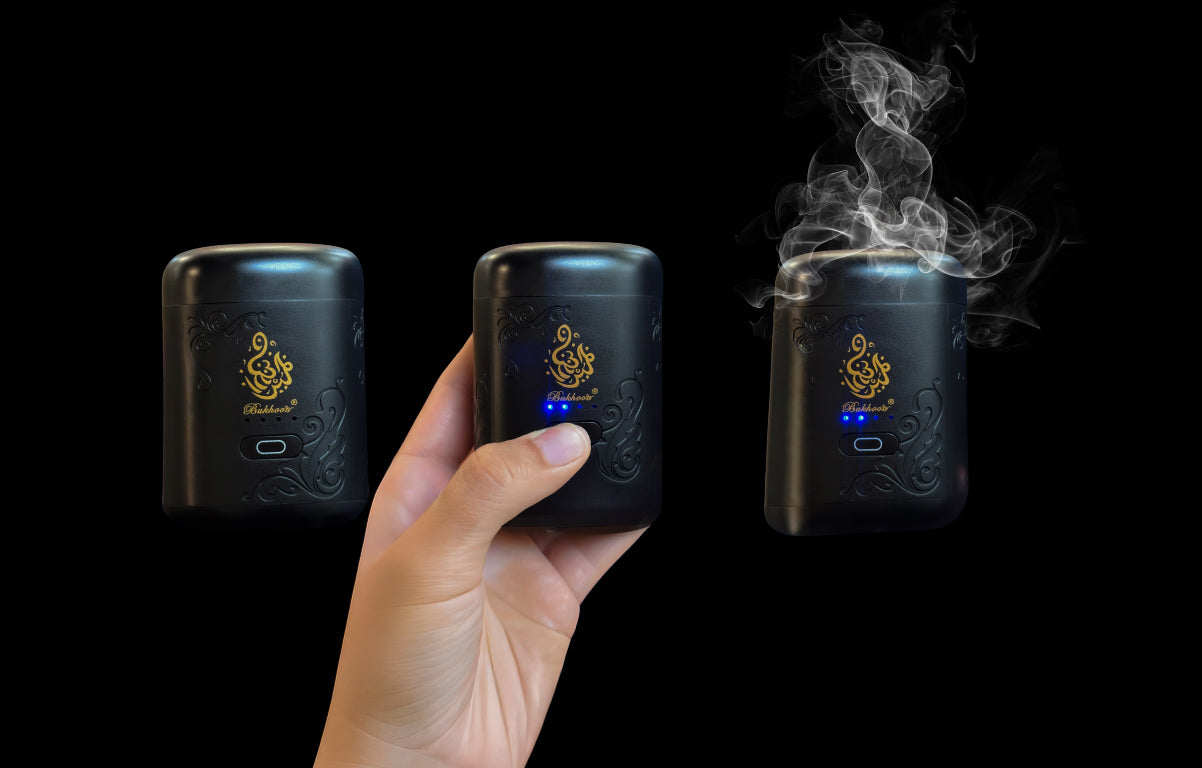
Electric burners emerged, eliminating the need for charcoal and open flame while preserving the olfactory experience.
Designs became more compact and practical, suited to everyday use at home.
Today: From Ancestral Ritual to Modern Diffuser
Tradition has not disappeared—it has evolved. Today, thanks to innovation, the bakhoor burner has become electronic and portable.
At BAKHOORLAIA, we offer a pocket-sized bakhoor diffuser: elegant, safe, and easy to carry. It allows you to enjoy the magic of ancestral scents anytime—at home, in the car, while traveling, or even tucked into a handbag.
In this way, bakhoor remains what it has always been: a bridge between tradition and modernity, between cultural heritage and contemporary comfort.